
Spiritual care is the accompaniment of another person or a community in nurturing and restoring their sense of meaning, purpose, belonging, and significance to a state of harmony and sincerity. Along with care from other specialties among the caring professions, spiritual care results in increased individual and communal resilience and self-determination. Chaplains are professionals who provide spiritual care in communal and institutional contexts. Thus, chaplaincy is a specialization in the human services field.
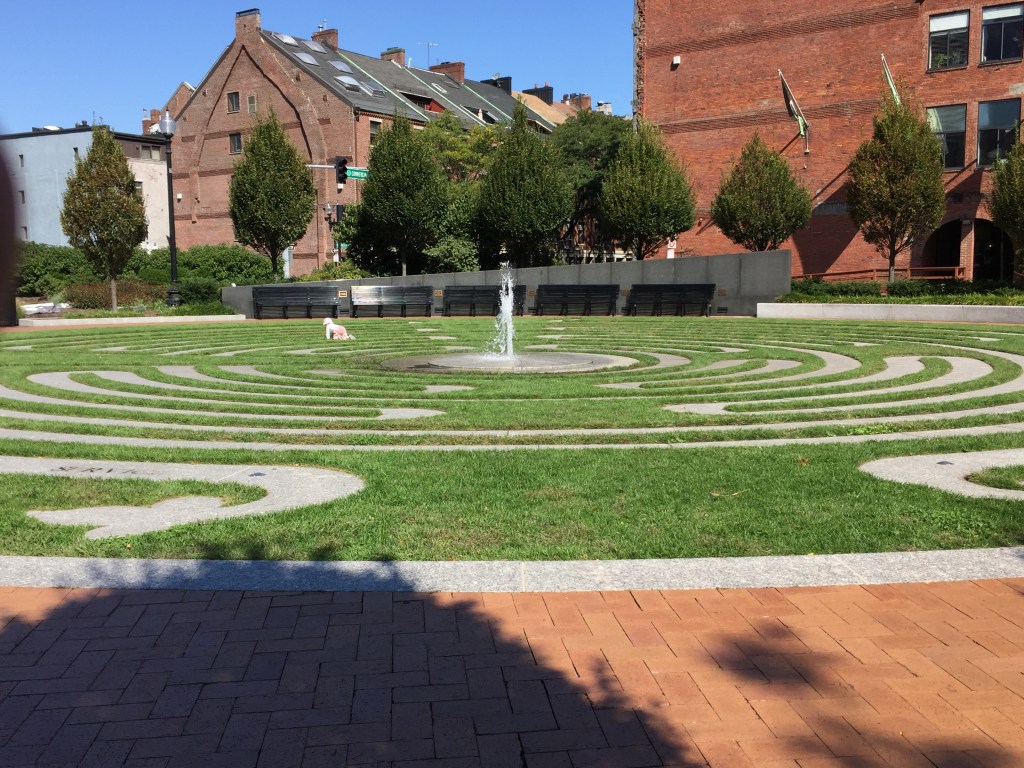
What makes chaplaincy distinctive is its accompanimental approach. Chaplaincy is about listening deeply, but it is not therapy. Chaplaincy is about considering carefully, but it is not lawyering. Chaplaincy is about affirming, challenging, holding to account, and encouraging to achievement, in the way of a friend but without, necessarily, the preexisting bond of friendship. Chaplaincy is rooted in the profound conviction of the infinite worth and dignity of each and every person as a window into the infinite glory and wonder of divinity. Chaplains accompany individuals and communities in clarifying, reformulating, and acting upon their senses of meaning, purpose, belonging, and significance. In short, chaplains provide spiritual care.
Until recently, chaplaincy has been understood as an expression of ministry, that is, of professional religious leadership, in an institutional context. It has been distinguished from parish ministry by its focus on accompanying the spiritual journeys of those in the institution, and of the institution itself, rather than on incarnating the spiritual vision of a community in a separate religious organization. That is, the parish model is that “we have God in here; you should come in and get some God,” whereas the chaplaincy model is to go out and see what the divine is doing among whoever happens to be in the orbit of its context, and to honor and accompany what is found. Living into this model has resulted in chaplaincy evolving away from being an expression of professional religious leadership and into the human services field alongside psychologists, social workers, teachers, and healtcare workers. Whereas religious leadership is grounded in shared religious identity between the minister and those they minister among, spiritual care asks the chaplain to bracket their own identity in order to ascertain and meet the spiritual needs of the person in front of them.
Spiritual care is a human service because it “is a service that is provided to people in order to help them stabilize their life and find self-sufficiency through guidance, counseling, treatment and the providing for of basic needs” (humanservicesedu.org). Within the human services field writ large, chaplains are specialist professionals who provide spiritual care alongside other caring professions such as psychologists, social workers, and occupational therapists. Not all caring professions are human services professions, though. Chaplaincy is a care profession within human services because spiritual care approaches “the objective of meeting human needs through an interdisciplinary knowledge base, focusing on prevention as well as remediation of problems, and maintaining a commitment to improving the overall quality of life of service populations” (National Organization for Human Services).

Chaplains are care professionals who have received specialized training in accompanying and facilitating the process of nurturing and restoring meaning, purpose, belonging, and significance to a state of harmony and sincerity. Chaplains are professional spiritual caregivers. Chaplains listen deeply, consider carefully, affirm, challenge, hold to account, and encourage to achievement. While anyone can do these things, such as a friend or family member, chaplains have skill-based training in doing so in ways that promote spiritual wellness and holistic and integrative wellbeing for individuals and communities. As human services professionals, chaplains enhance individual and communal resilience and self-determination by attending to the spiritual dimensions of life and accompanying processes of spiritual transformation.
Spirituality is the way that a person or a community engages practices, inhabits ideas, and relates to traditions in order to cultivate a life of meaning, purpose, belonging, and significance. It is related to, although never reducible to, religion, which is the codification of practices, ideas, and traditions that become appropriable by adherents. Some people locate their spirituality within one or more religion, while others curate meaning, purpose, belonging, and significance across or beyond the bounds of religion. Having a more or less harmonized and sincere sense of meaning, purpose, belonging, and significance is an important component of a holistic and integrative wellbeing.
Everyone has spiritual needs, regardless whether they identify their spirituality within one or more religions or not. Spiritual care is for anyone who seeks to cultivate, nurture, and restore their own sense of meaning, purpose, belonging, and significance. Spiritual care can help you become more resilient and restore your life to equilibrium if you have experienced distress or disruption. Chaplains accompany these processes of cultivating, nurturing, and restoring in the person receiving their care without seeking to impose their own spirituality or insisting that the recipient access resources from any religion to which they may adhere.
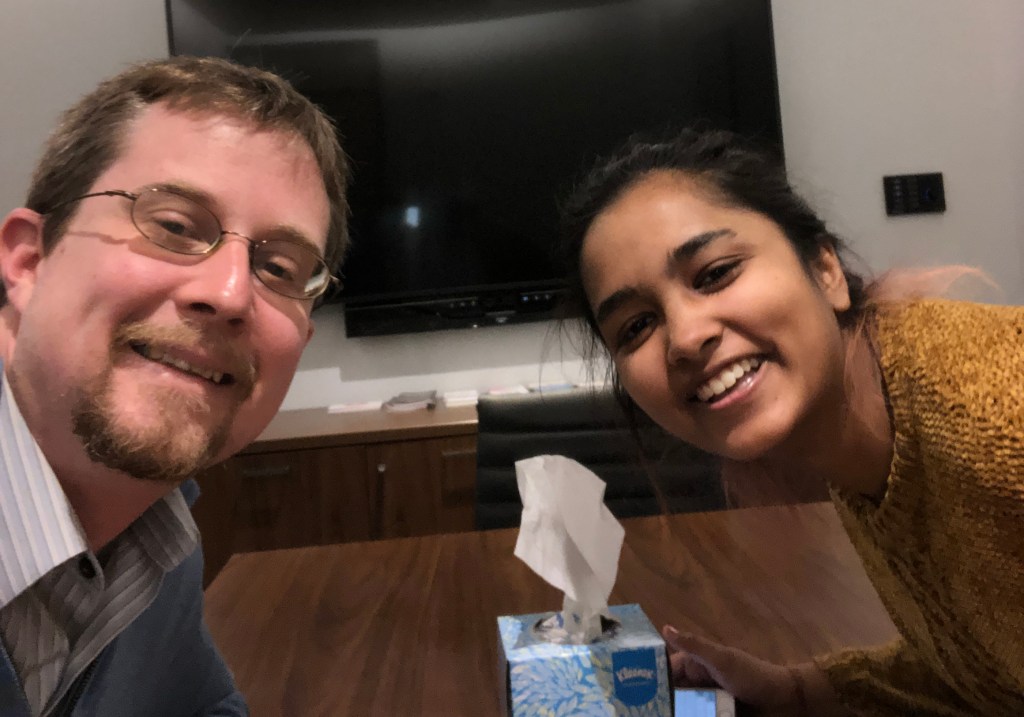
Spiritual care takes a variety of forms. Spiritual care in groups may involve programs that facilitate practices for exploring and nurturing meaning, purpose, belonging, and significance. In individual spiritual care, you should expect your chaplain to listen deeply, to affirm your worth and dignity, to ask questions that enable you to explore your life in ways that may challenge you, and to propose alternative perspectives and interpretations of the experiences you share. A healthy relationship with a chaplain is open and authentic, and you should feel confident in trusting your chaplain to keep what you share confidential.

Leave a comment